guide/ao-dai
What to Wear to Temples in Vietnam: Ao Dai vs. Casual
Ao Dai Diaries team · All guides →
Vietnamese temples demand modest, covered clothing that honors spiritual space. Shoulders, knees, and midriff should stay covered; the ao dai (a long, high-necked tunic over loose trousers) is ideal because it's traditional, respectful, and photogenic. Casual visitors wear lightweight long pants, maxi skirts, or loose sleeves—no shorts, tank tops, or see-through fabrics. Ao Dai Diaries rents fitted ao dai by city (Hanoi, Saigon, Hoi An, Da Nang) with same-day or advance bookings; you'll look authentic without owning garments. Most temples don't enforce dress codes but locals appreciate modesty. Avoid loud colors in very sacred inner sanctums; earth tones and pastels read as respectful. Footwear is often removed indoors—wear slip-ons.
Vietnamese temples require modest, covered clothing that honors spiritual space. Shoulders, knees, and midriff should stay covered; the ao dai (a long, high-necked tunic over loose trousers) is ideal because it's traditional, respectful, and photogenic. Casual visitors wear lightweight long pants, maxi skirts, or loose sleeves—no shorts, tank tops, or see-through fabrics. Ao Dai Diaries rents fitted ao dai by city (Hanoi, Saigon, Hoi An, Da Nang) with same-day or advance bookings; you'll look authentic without owning garments. Most temples don't enforce dress codes but locals appreciate modesty. Avoid loud colors in very sacred inner sanctums; earth tones and pastels read as respectful. Footwear is often removed indoors—wear slip-ons.
Is the ao dai the best choice for temple visits?
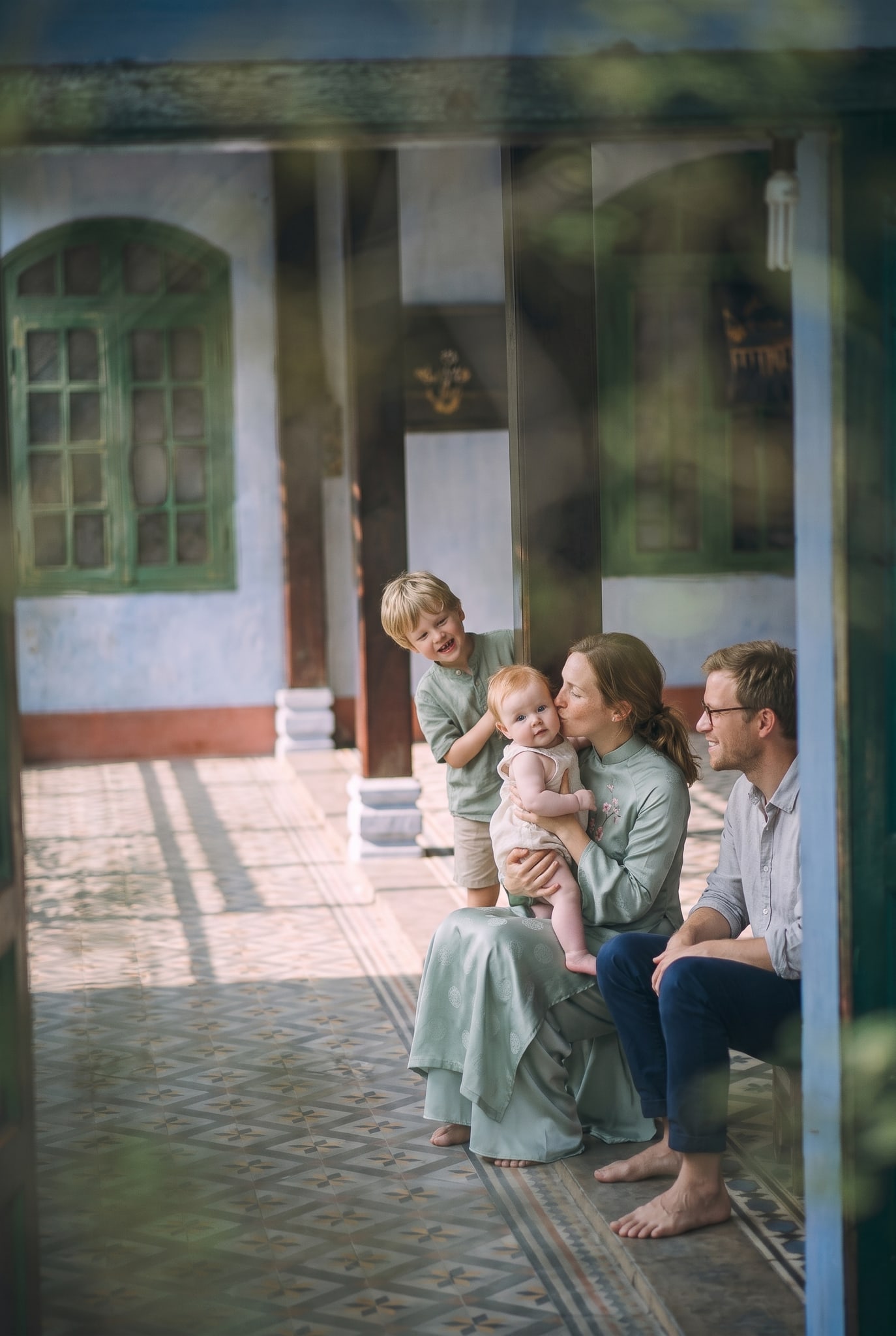
Yes—for foreign visitors especially. The ao dai signals respect and cultural interest; locals greet you warmly when you wear it. It's loose, cool, and covers everything required. Unlike Western casual wear, it's designed for modesty and fits temple etiquette without effort. You don't own one? Renting is faster and cheaper than buying; Ao Dai Diaries offers same-day rentals by city with all sizes (XS–XXL). The ao dai conclusion: wear it if you want authentic reverence and photos worth sharing.
What if you prefer not to wear an ao dai?
Casual long pants (linen or cotton), maxi skirts, or loose tunics work fine—most foreign tourists dress this way. Ensure shoulders are covered and fabric reaches knees; avoid anything sheer or form-fitting. Light colors work better in heat; khaki, cream, or soft blues are practical and look intentional. Temples are indifferent to your nationality; they care that you're modest. That said, visitors in ao dai receive more nods from staff and fellow worshippers. Choose casual if comfort matters more than standing out; choose ao dai if you want connection and photos.
How do size and fit affect comfort in temples?
An ill-fitting ao dai creates stress during long walking tours. Rental shops measure you properly before fitting; sleeves should end at wrist, tunic should flow loose without billowing, and trouser length should clear your shoe top by half an inch. Ao Dai Diaries sizes range XS–XXL with custom fitting on-site or via consultation before delivery to your hotel. Poor fit means adjusting constantly, sitting awkwardly, and temple photos that feel cramped. A well-fit ao dai? You forget you're wearing it. Request a fitting appointment when you book; tell staff your height and usual sizes—they'll match you in under 15 minutes and make adjustments same-day.
Which cities have the best temple dress rentals?
All four rental cities serve temples, but Hoi An and Da Nang are temple-dense and perfect for ao dai—the gowns look natural in ancient spiritual settings. Hanoi has multiple major temples (Ngoc Son, Quan Su, Tran Quoc) and busy rental services nearby. Ho Chi Minh City/Saigon requires advance booking during peak tourist seasons (Nov–Feb) because temple visits cluster in those months. Book 2–3 days ahead for guaranteed availability; same-day rentals depend on your size and preferred style. Each city's rental includes WhatsApp/Zalo support—text +84 338 762 340 for city-specific advice.
👗 Rent your ao dai — WhatsApp/Zalo +84 338 762 340
What color and style signal respect in different temples?
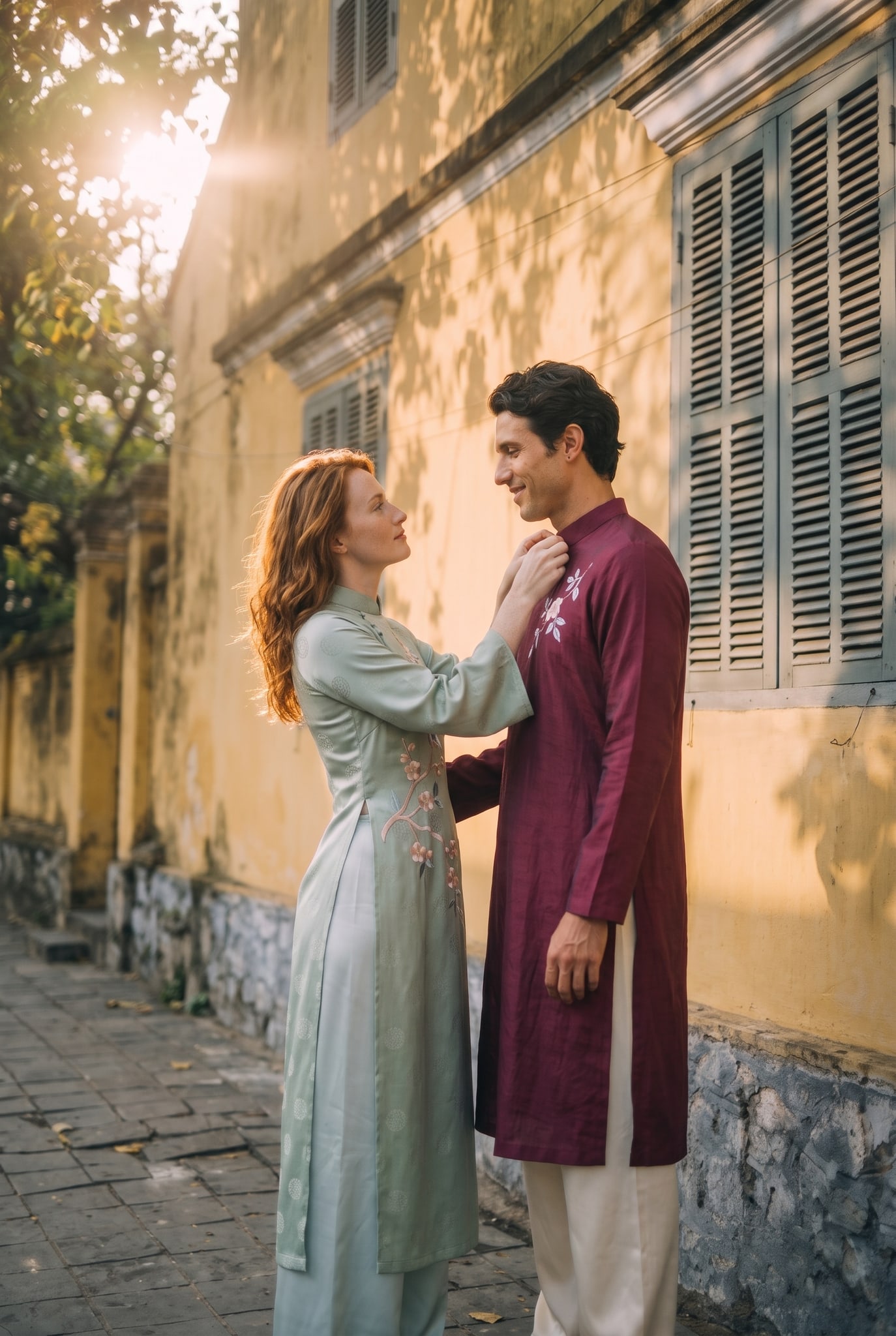
Earth tones (beige, soft gray, pale green) work everywhere; bold reds or blacks risk seeming disrespectful in inner sanctums. Silk ao dai (formal, shimmery) suits major temples like Jade Mountain Temple; cotton or silk-blend (everyday) is fine for neighborhood pagodas. Avoid loud patterns; solid colors or subtle traditional embroidery are safer. Many visitors wear white, but staff may ask you to change—white is mourning wear in Vietnam. If you rent, ask the shop for "temple-appropriate" styles; they know which colors and fabrics carry cultural weight. The style conclusion: neutral, understated elegance opens all doors.
---
Temple Dress Guide: Ao Dai vs. Casual Comparison
| Aspect | Ao Dai Rental | Western Casual (Long Pants/Skirt) | Why It Matters |
|---|---|---|---|
| Coverage | Full (shoulders, torso, legs to ankles) | Full if done right; easy to miss knees | Both meet temple rules; ao dai is foolproof |
| Local reception | Warm, reverential; staff approves | Neutral; locals see you as tourist | Ao dai opens conversations, photo moments |
| Comfort in heat | Loose silk/cotton; air flows naturally | Depends on fabric choice; can feel heavy | Ao dai designed for Vietnam's climate |
| Fitting time | 15–30 min on-site; adjustments included | None; wear what you own | Rental effort pays off in comfort |
| Photo quality | Stunning; blends temple background | Good if styled; reads as visitor | Ao dai is Instagram gold in temples |
| Cost basis | Rental from a few dollars per day | Zero (own clothes); travel pack | Rental is low-cost cultural access |
| Convenience | Delivery to hotel; no laundry stress | No extra logistics; wear same thing daily | Rental handles washing; you stay fresh |
---
What to Check Before You Rent an Ao Dai for Temples
Booking clarity:
- Confirm rental duration (half-day, full day, overnight?).
- Specify temple visits—ask for "temple-appropriate" colors and fit.
- Check delivery time; same-day rentals need 2–4 hours notice.
Sizing accuracy:
- Provide height, usual clothing size, and shoe size.
- Ask about adjustments (hemming, sleeve shortening) included in rental.
- Request a photo of the ao dai before delivery if buying online.
Deposit and care:
- Ask about deposit amount (typical: see packages & prices refundable).
- Clarify damage waiver—small stains or wrinkles are normal and covered.
- Confirm return process: hotel pickup, drop-off, or shop visit?
Styling support:
- Request a brief tutorial on wearing (wrapping the tunic correctly matters).
- Ask for shoe recommendations (slip-ons are essential; no laces in temples).
- Inquire about jewelry, scarves, or shawl add-ons if available.
Backup plan:
- What if your size is unavailable? Can they substitute or recommend casual alternatives?
- If you damage the ao dai, what's the real cost? (Honesty here builds trust.)
---
📸 Ao dai + photoshoot packages
Why wear an ao dai instead of casual wear to temples?
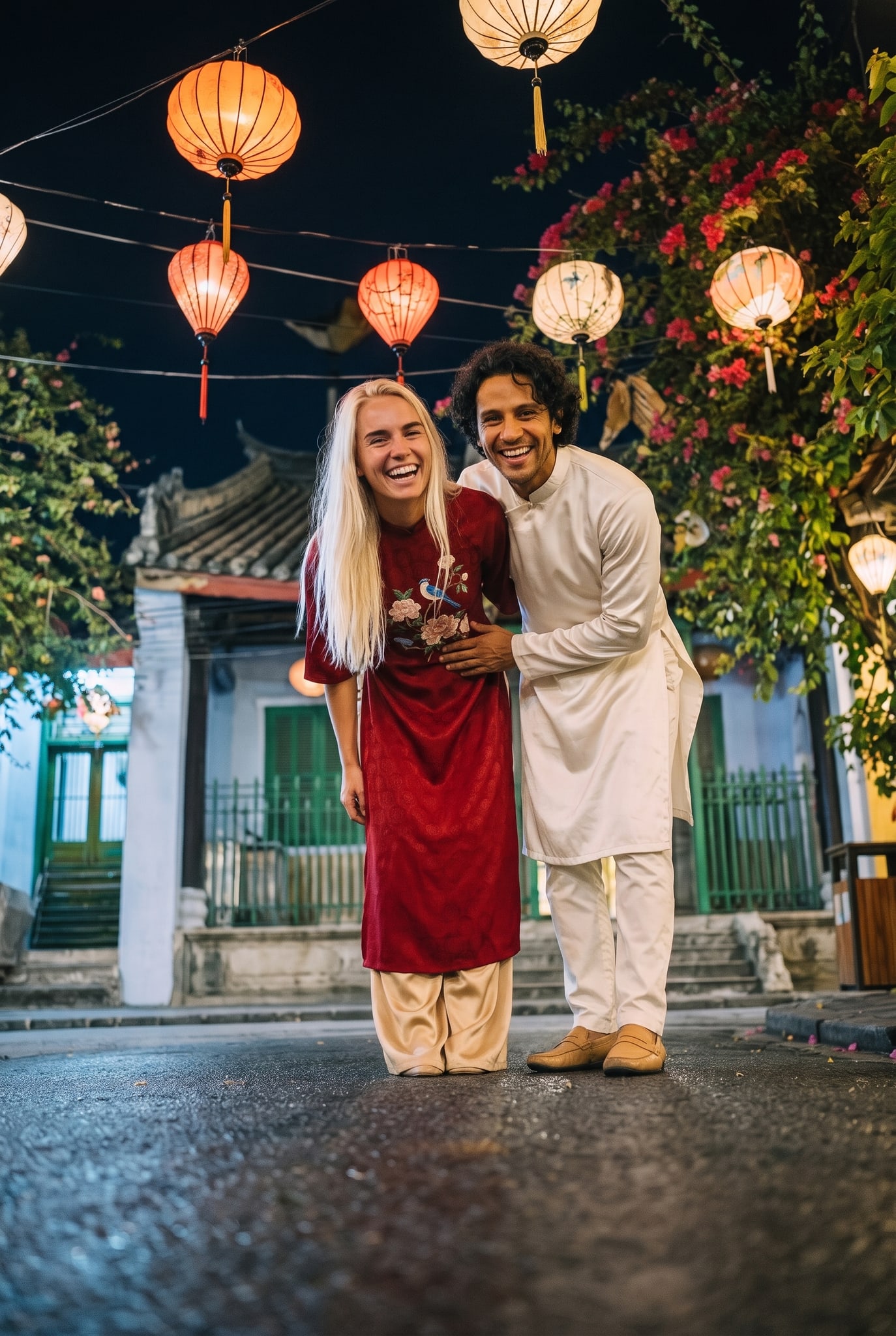
Wearing an ao dai to a temple is not required—many foreign visitors wear casual modest clothes and receive normal temple hospitality. But an ao dai shifts the entire experience. You're no longer a tourist passing through; you're someone making an effort to honor Vietnamese culture. Monks and volunteers treat you differently (more warmly, more patient with photography requests). Your photos look intentional and timeless, not like "I showed up in travel pants." Temple grounds become a personal cultural moment rather than a tour box to check. An ao dai costs less than a restaurant dinner when rented; it costs nothing in respect and creates memories that outlast the trip. The truth: you can skip it. But if temples matter to you, wear one.
📍 See rental by city
Do temples in Vietnam actually enforce dress codes?
Officially, most temples don't have strict enforcement—they rely on visitor understanding. In practice, very sacred inner sanctums (where monks pray) sometimes have volunteers who politely redirect visitors in tank tops or shorts toward the outer courtyard. Disrespectful dress (swimwear, underwear visible, or intentionally provocative) may result in quiet asked-to-leave moments. Your experience isn't ruined by casual wear, but it's smoother in modest clothes. The unwritten rule: if your dress wouldn't pass a job interview in Vietnam, reconsider for temples. Rental shops know this cultural baseline and outfit you accordingly.
Can you rent an ao dai same-day in rural temple areas?
Same-day rental works in major cities (Hanoi, Saigon, Hoi An, Da Nang). Rural temples near those cities are accessible via same-day rental—arrange pickup early (before 8 a.m.) and confirm return time (usually by 6 p.m.). If your temple is in a remote area (2+ hours from a rental shop), book 3–5 days in advance so the shop can ship or coordinate a courier. WhatsApp +84 338 762 340 to check feasibility for your specific temple and travel dates.
Should you wear jewelry, hats, or scarves with your ao dai in temples?
Minimal jewelry (small earrings, bracelet, watch) is fine. Remove loud necklaces or dangling pieces that distract from prayer space. Hats are removed indoors in temples—don't wear one. Scarves or shawls over the shoulders? Yes, if you're modest or feel cold; temples can be drafty. Head scarves (covering hair) are not required for non-Muslim visitors unless you're entering a specific sanctuary (rare). Ask the rental shop for styling recommendations based on which temples you're visiting—they've dressed thousands of visitors and know what feels right.
What's the etiquette for ao dai photos inside temples?
Photography is usually welcome in outer courtyards and main halls. Sacred inner sanctums (where monks meditate) often prohibit cameras—look for signs or ask. Take photos respectfully: no selfies during ceremonies, no posing in front of prayer areas, no flash near Buddha statues (it's disruptive). Temple staff often love helping visitors in ao dai pose for photos—they'll point you to good light and wait while you frame the shot. The ao dai makes you a welcome subject; wear it and people help. Just be quiet, patient, and treat the space as sacred, not a backdrop.
---
Learn More About Ao Dai Rental for Every Occasion
Not just temples—ao dai rentals cover weddings, Tet, graduations, and city strolls. Read our complete guide to how ao dai rental works for fitting, delivery, and return logistics. Interested in photos? Explore ao dai + professional photoshoot packages in all four cities—many include temple locations.
Frequently asked questions
Can I wear shorts and a long-sleeved shirt to a Vietnamese temple?
No. Shorts expose knees, which temples consider disrespectful. Wear long pants, maxi skirts, or ao dai; knees and thighs must stay covered. Long sleeves alone don't replace leg coverage.
What's the rental price for an ao dai at a temple?
Specific prices vary by rental shop and duration, but Ao Dai Diaries offers same-day and advance rentals by city. Contact +84 338 762 340 on WhatsApp/Zalo to request current pricing for your specific dates and city.
Do I need to buy an ao dai, or is renting really okay?
Renting is completely fine—locals rent ao dai for events too. You save money, avoid laundry, and don't need closet space. Renting also ensures proper fit and cultural advice from experienced stylists.
Can I wear an ao dai in all Vietnamese temples, or are some off-limits?
Ao dai is welcomed in all temples. Some sacred inner chambers restrict visitors (not because of clothing, but because they're active prayer spaces). Outer courtyards, halls, and gardens are open—wear your ao dai confidently everywhere tourists can go.
How long can I keep a rental ao dai?
Typical rentals are half-day (4–6 hours), full-day (24 hours), or multi-day. Ask Ao Dai Diaries for your preferred rental length—they offer flexibility and same-day returns in all cities.
Frequently asked questions
Can I wear shorts and a long-sleeved shirt to a Vietnamese temple?
No. Shorts expose knees, which temples consider disrespectful. Wear long pants, maxi skirts, or ao dai; knees and thighs must stay covered. Long sleeves alone don't replace leg coverage.
What's the rental price for an ao dai at a temple?
Specific prices vary by rental shop and duration, but [Ao Dai Diaries offers same-day and advance rentals by city](/rent). Contact +84 338 762 340 on WhatsApp/Zalo to request current pricing for your specific dates and city.
Do I need to buy an ao dai, or is renting really okay?
Renting is completely fine—locals rent ao dai for events too. You save money, avoid laundry, and don't need closet space. Renting also ensures proper fit and cultural advice from experienced stylists.
Can I wear an ao dai in all Vietnamese temples, or are some off-limits?
Ao dai is welcomed in all temples. Some sacred inner chambers restrict visitors (not because of clothing, but because they're active prayer spaces). Outer courtyards, halls, and gardens are open—wear your ao dai confidently everywhere tourists can go.
How long can I keep a rental ao dai?
Typical rentals are half-day (4–6 hours), full-day (24 hours), or multi-day. [Ask Ao Dai Diaries for your preferred rental length](/rent)—they offer flexibility and same-day returns in all cities.
Dozens of colours, all sizes XS–XXL, delivered to your hotel in Hanoi, Saigon, Hoi An or Da Nang. One WhatsApp or Zalo message.
More guides
You might also like
The ao dai is Vietnam's iconic silk dress, worn for celebrations and formal occasions. Ao Dai Diarie
May is Vietnam's hottest month before monsoon season. We'll help you choose the right outfit—whether
December weather in Vietnam is cool and dry—ideal for wearing the ao dai. Here's what suits the seas