guide/ao-dai
What to Wear to Vietnam in January: Ao Dai + Smart Packing
Ao Dai Diaries team · All guides →
January in Vietnam spans two climates: cool, sometimes chilly northern regions (Hanoi: 50–60°F / 10–15°C) and warm southern areas (Ho Chi Minh City: 70–80°F / 21–27°C). Pack lightweight, quick-dry clothing, a thin jacket or cardigan, and closed-toe walking shoes. Hanoi, Da Nang, and Hoi An may need an extra layer for early mornings and evenings. January also marks Tet (Vietnamese Lunar New Year), the year's most important celebration—many visitors rent an ao dai (Vietnam's traditional long tunic and pants) through services like Ao Dai Diaries to participate respectfully and create memorable photos. Rental costs vary by city and style but are affordable; same-day and multi-day options suit travelers of all schedules. Avoid heavy fabrics, synthetic materials that trap sweat, and bright neons that clash with traditional settings. ---
Is January Actually Cold in Vietnam?
Not uniformly. Hanoi and northern regions experience cool weather—locals wear jackets—while the Mekong Delta and southern coast stay tropical. January is the dry season nationwide, so expect clear skies, low humidity, and comfortable outdoor exploration. If you're visiting Hanoi or Da Nang, mornings and evenings require a light sweater; afternoons are pleasant in short sleeves. Ho Chi Minh City rarely dips below 70°F (21°C), so you'll wear summer clothes year-round there. The contrast matters: a Hanoi-to-Saigon trip means you'll pack for both climates in one bag.
👗 Rent your ao dai — WhatsApp/Zalo +84 338 762 340
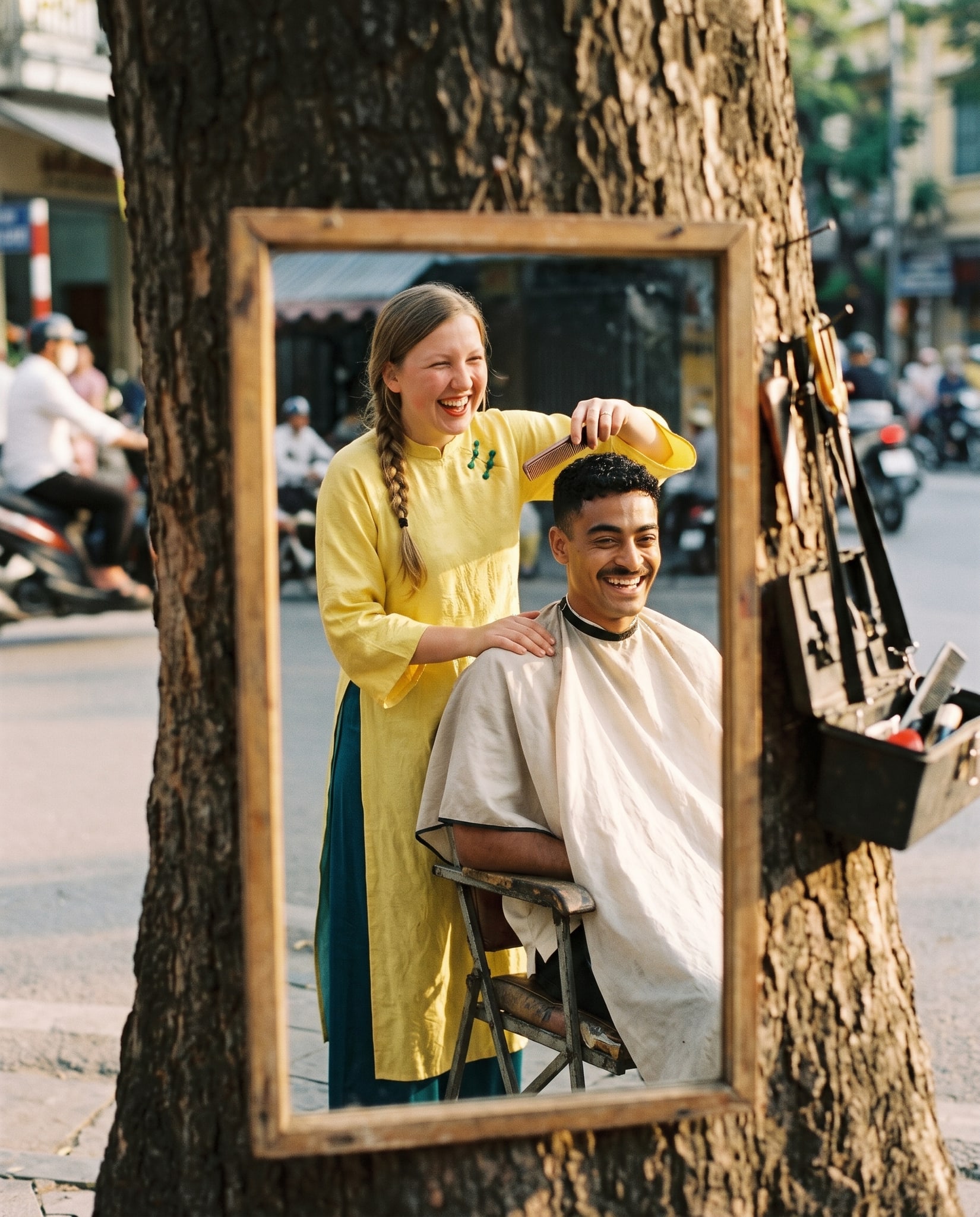
What Fabrics Pack Down Smallest and Dry Fastest?
Merino wool, linen, and nylon blends beat cotton for travel. Cotton absorbs sweat and takes hours to dry in humid air; merino regulates temperature, resists odor, and dries in 4–6 hours. Linen breathes brilliantly but wrinkles—pair it with a lightweight cardigan you can remove. Nylon and polyester are compact and quick-dry but less breathable; reserve them for layering. Pack 5–7 tops you can mix; two pairs of lightweight pants; one skirt (easier to layer and less restrictive in 75°F heat). Avoid synthetic fabrics that cling when damp—they're miserable in tropical environments.
Should You Buy an Ao Dai or Rent One for January Travel?
Renting makes sense if you plan to wear it for Tet celebrations, photoshoots, or a single evening out. Buying is worthwhile only if you'll wear it multiple times annually or want a keepsake. Rental pricing depends on style complexity and rental duration; a basic silk ao dai for a day typically costs far less than purchasing one. Ao Dai Diaries offers same-day rental and delivery to your hotel in Hanoi, Ho Chi Minh City, Hoi An, and Da Nang—you choose a style, get fitted (XS–XXL sizes available), and wear it within hours. A deposit secures the rental; returns are flexible. Buying means shipping time (if ordering overseas) and storage costs. For a two-week trip, renting to wear on Tet or for a photoshoot is practical; for multiple trips or gifting, buying makes sense.
| Decision | Who It's For | Effort | Cost Basis | Best For |
|---|---|---|---|---|
| Rent | Tourists, one-time wearers, Tet participants | Low—book, arrive, wear same day | Lower per wear | Tet, photoshoots, single events |
| Buy overseas | Repeat wearers, gift-givers, keepsake seekers | Shipping 5–10 days + fitting alterations | Higher upfront, lower per wear over time | Multiple future occasions, heirlooms |
| Buy in Vietnam | Extended travelers, collectors | Find trusted tailor in city, 3–7 day tailoring | Moderate; shipping home adds cost | Custom fit, direct quality check |
Renters avoid the risk of a poor fit overseas; buyers get permanence and customization. Neither is "wrong"—your trip length and plans decide.
📸 Ao dai + photoshoot packages
What's the January Tet Ao Dai Rental Timeline?
Book 1–2 weeks ahead if you want a specific color or style; walk-ins are possible but peak Tet demand (one week before and during the holiday) means limited availability. Rental booking through Ao Dai Diaries takes 5 minutes via WhatsApp or website. You'll specify desired color (traditional red, pink, gold, or pastels are popular), size (measured at fitting or declared beforehand), and rental dates. Pickup or hotel delivery can happen the same day or on your chosen date. Returns are flexible—extend your rental if plans change. Tet ao dai rentals in Hanoi, Da Nang, Hoi An, and Ho Chi Minh City often include styling tips to pair the ao dai with appropriate accessories (a belt, jewelry, and shoes). Late-December bookings ensure you're not disappointed during the holiday rush.
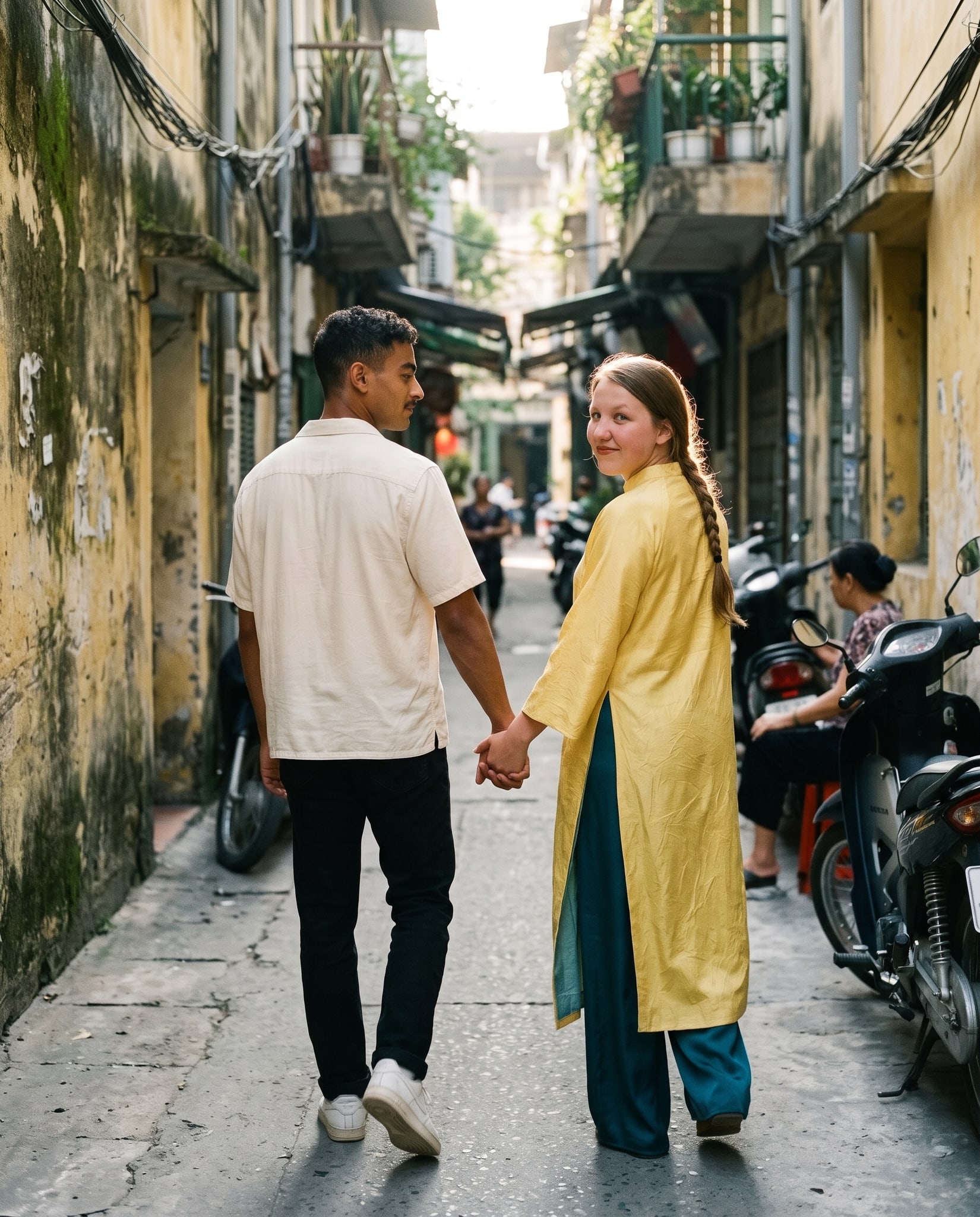
How Do You Layer an Ao Dai for Cool January Weather?
An ao dai is a floor-length tunic worn over high-waisted pants—the design naturally accommodates layering. For cooler Hanoi or Da Nang mornings, wear a lightweight linen or silk cardigan over the ao dai; it won't bunch at the waist and complements the outfit's elegance. Alternatively, a sheer long-sleeve shirt under the ao dai adds warmth without bulk. Closed-toe flats or embroidered slip-ons keep feet warm while honoring the traditional aesthetic. A silk scarf draped loosely adds color and warmth. Avoid hoodies or heavy jackets—they overpower the ao dai's grace. Learn more styling details in the ao dai guide. The ao dai's loose silhouette means you can layer underneath without visible lumps; a thermal top or thin undershirt works well.
📍 See rental by city
What Else Should January Vietnam Packing Include?
A crossbody bag (water-resistant) holds your essentials during city walks. Sunscreen (SPF 30+) is vital—January sun reflects off limestone karst and water; even cool air doesn't mean less UV. Sunglasses protect eyes and are universally flattering. Moisture-wicking underwear and socks prevent chafing on long walking days. A lightweight rain jacket is smart; January is dry, but occasional drizzle happens, especially in the north. Comfortable walking shoes break in before the trip—Vietnamese cities mean 15,000+ daily steps. A small scarf doubles as a shawl, head cover in temples, or beach wrap. Minimal toiletries (buy hair products locally to save weight). A portable phone charger ensures you can snap photos and navigate. Avoid luggage larger than a carry-on if possible; narrow Vietnamese streets and guesthouses have tight stairs.
---
What to Check Before You Book an Ao Dai Rental
Size and fit clarity. Measure your bust, waist, hips, and height beforehand—send them to Ao Dai Diaries via WhatsApp (no guessing). Photos of you in fitted clothes help tailors visualize fit.
Rental duration and cost. Confirm whether rental is per night, per day, or multi-day; ask about extension costs if plans shift. Understand the deposit amount and refund terms.
Color and fabric availability. Request your preferred color with a backup—peak Tet season may have limited choices. Ask if the fabric is silk (softer, more expensive) or cotton-silk blend (durable, lighter).
Styling and accessory inclusion. Confirm whether a belt, jewelry suggestions, or shoe recommendations are included. Ask for a photo of the ao dai you'll receive so there's no surprise.
Delivery logistics. If renting in a new city daily, verify hotel delivery is available. Confirm pickup and return times to avoid conflicts with tours or flights.
Respectful use guidelines. The ao dai is sacred to Vietnamese culture. Confirm the rental agreement includes etiquette (no disrespectful posing, no damage). Ao Dai Diaries provides guidance; read it carefully.
---
Frequently asked questions
What's the ideal temperature range for wearing an ao dai comfortably in January?
Between 65–75°F (18–24°C), an ao dai feels perfect without layering. Below 60°F, add a cardigan. Above 80°F, the loose cut remains breathable. Humidity and air conditioning (which cools aggressively indoors) matter as much as temperature. Test comfort during your fitting.
Can I rent an ao dai in Hanoi if I'm visiting Da Nang or Saigon instead?
No—rentals are city-specific. Ao Dai Diaries operates rental services in Hanoi, Ho Chi Minh City, Hoi An, and Da Nang separately. Book in your arrival city. If you're moving between cities, arrange rental in your next stop; return policies are flexible.
Is an ao dai too formal for casual Tet street celebrations?
Not at all. Tet is the ao dai's moment—families from toddlers to grandparents wear them for temple visits, family dinners, and street fairs. Casual ao dais exist (simpler fabrics, solid colors). Formal styles suit evening celebrations and photography. Ask your rental stylist which suits your plans.
Do I need to learn how to put on an ao dai myself, or does the rental include help?
Ao Dai Diaries includes fitting and dressing assistance during pickup. The ao dai fastens with buttons or ties—not complex—but staff will confirm you're comfortable before leaving. For multi-day rentals, one dressing lesson suffices; practice once and you'll manage alone.
What happens if I damage the ao dai during my rental?
Minor wear is normal and expected. Renting includes a damage deposit. Major stains, tears, or missing buttons may incur a repair fee (much cheaper than buying replacement). Treat it respectfully—avoid rough surfaces and excessive contact with food or drinks. Ask about insurance options if you're concerned.
Is a January visit good for ao dai photoshoots, or should I wait for spring?
January is excellent in the south and central regions (clear skies, no rain). Hanoi can be overcast or drizzly. Ao Dai Diaries offers photoshoot packages year-round; booking during January Tet gives you vibrant street backdrops and festive energy. Plan shoots for late afternoon (5–6 PM) when light is softer and temperatures drop. Confirm package details and photographer availability when booking.
Frequently asked questions
What's the ideal temperature range for wearing an ao dai comfortably in January?
Between 65–75°F (18–24°C), an ao dai feels perfect without layering. Below 60°F, add a cardigan. Above 80°F, the loose cut remains breathable. Humidity and air conditioning (which cools aggressively indoors) matter as much as temperature. Test comfort during your fitting.
Can I rent an ao dai in Hanoi if I'm visiting Da Nang or Saigon instead?
No—rentals are city-specific. Ao Dai Diaries operates [rental services in Hanoi](/hanoi), [Ho Chi Minh City](/ho-chi-minh-city), [Hoi An](/hoi-an), and [Da Nang](/da-nang) separately. Book in your arrival city. If you're moving between cities, arrange rental in your next stop; return policies are flexible.
Is an ao dai too formal for casual Tet street celebrations?
Not at all. Tet is the ao dai's moment—families from toddlers to grandparents wear them for temple visits, family dinners, and street fairs. Casual ao dais exist (simpler fabrics, solid colors). Formal styles suit evening celebrations and photography. Ask your rental stylist which suits your plans.
Do I need to learn how to put on an ao dai myself, or does the rental include help?
Ao Dai Diaries includes fitting and dressing assistance during pickup. The ao dai fastens with buttons or ties—not complex—but staff will confirm you're comfortable before leaving. For multi-day rentals, one dressing lesson suffices; practice once and you'll manage alone.
What happens if I damage the ao dai during my rental?
Minor wear is normal and expected. Renting includes a damage deposit. Major stains, tears, or missing buttons may incur a repair fee (much cheaper than buying replacement). Treat it respectfully—avoid rough surfaces and excessive contact with food or drinks. Ask about insurance options if you're concerned.
Is a January visit good for ao dai photoshoots, or should I wait for spring?
January is excellent in the south and central regions (clear skies, no rain). Hanoi can be overcast or drizzly. [Ao Dai Diaries offers photoshoot packages](/packages) year-round; booking during January Tet gives you vibrant street backdrops and festive energy. Plan shoots for late afternoon (5–6 PM) when light is softer and temperatures drop. Confirm package details and photographer availability when booking.
Dozens of colours, all sizes XS–XXL, delivered to your hotel in Hanoi, Saigon, Hoi An or Da Nang. One WhatsApp or Zalo message.
More guides
You might also like
The ao dai is Vietnam's iconic silk dress, worn for celebrations and formal occasions. Ao Dai Diarie
May is Vietnam's hottest month before monsoon season. We'll help you choose the right outfit—whether
December weather in Vietnam is cool and dry—ideal for wearing the ao dai. Here's what suits the seas