guide/ao-dai
What Type of Clothes to Wear in Vietnam: A Practical Guide
Ao Dai Diaries team · All guides →
Vietnam's weather demands breathable, modest clothing year-round. Pack lightweight cotton or linen shirts, loose pants or skirts, and a light cardigan for air-conditioned spaces. In cities like Hanoi and Ho Chi Minh City, casual Western wear works fine for daily life—t-shirts, shorts, and sneakers are normal. For temples, cover shoulders and knees. For formal events, weddings, or cultural photos, rent an ao dai (Vietnam's iconic silk tunic and pants) from Ao Dai Diaries; rentals cost from see packages & prices depending on style and customization, available same-day or next-day in Hanoi, Saigon, Hoi An, and Da Nang. Avoid sleeveless tops in religious sites, and never wear ao dai casually or disrespectfully—it's sacred ceremonial wear.
Vietnam's tropical humidity and cultural norms require a thoughtful approach to clothing. Pack lightweight, modest basics for daily wear; rent an ao dai for formal, cultural, or photogenic moments. Here's how to choose what to wear and when to wear it.
Why Do Lightweight and Breathable Fabrics Matter Most?
Vietnam's climate averages 25–35°C (77–95°F) year-round, with high humidity. Cotton and linen-blend shirts, loose trousers, and flowing dresses regulate body heat far better than synthetics or tight fits. Breathable fabrics prevent sweat stains, reduce heat rash, and let you move comfortably through crowded streets and markets. Choose unstructured cuts, neutral colors that hide sweat, and avoid polyester or rayon blends that cling and degrade quickly. Locals wear lightweight long sleeves and wide-leg pants to protect skin from sun and insects while staying cool.
👗 Rent your ao dai — WhatsApp/Zalo +84 338 762 340
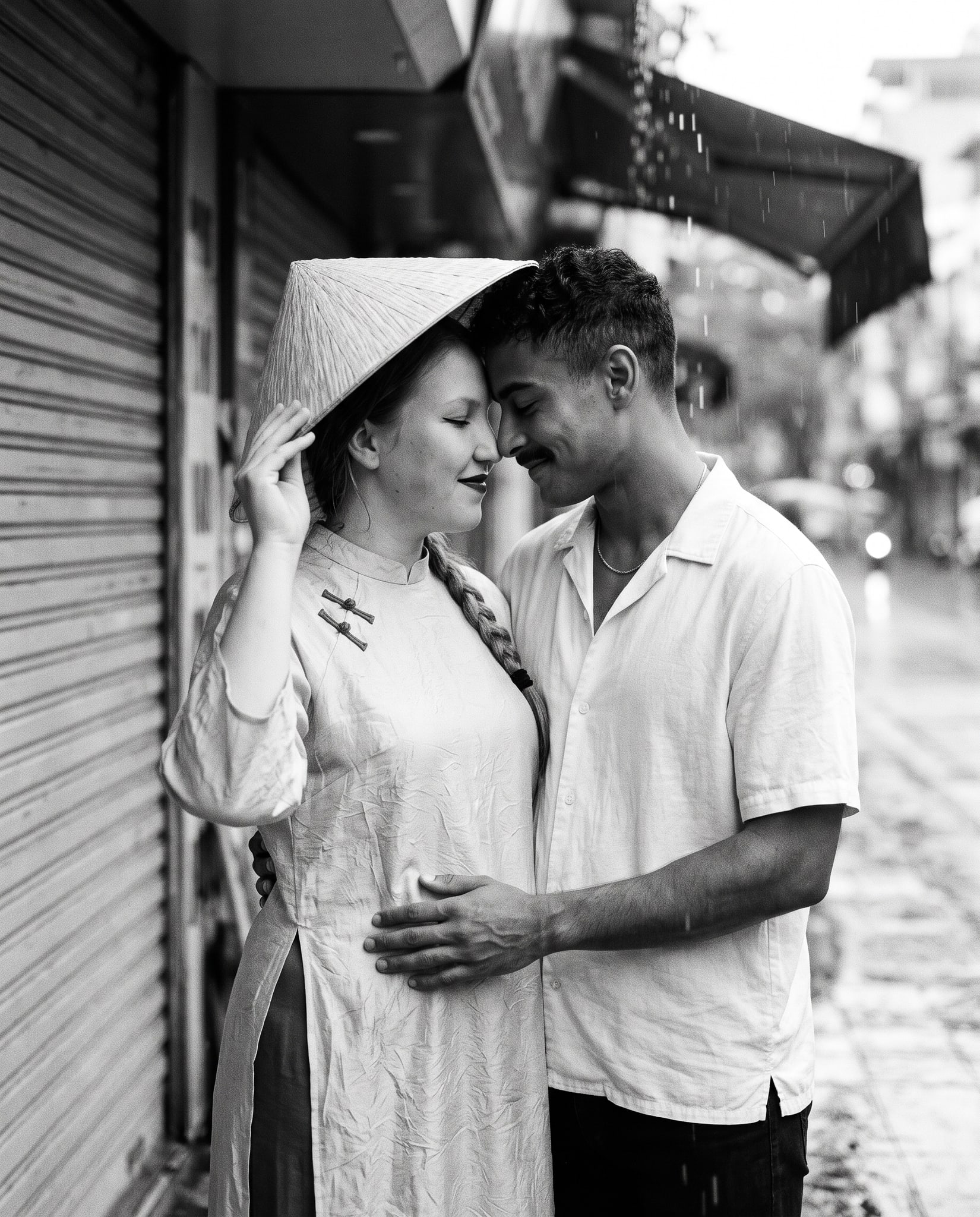
When Should You Rent an Ao Dai Instead of Wearing Casual Clothes?
Rent an ao dai for weddings, Tet celebrations, graduation photos, temple visits, or city photoshoots—occasions where traditional dress shows respect and creates authentic memories. Casual tourist clothes feel out of place at formal events; an ao dai signals respect for Vietnamese culture and photographs beautifully in heritage sites like Hoi An's Ancient Town. Ao Dai Diaries offers same-day rentals in Hanoi, Saigon, Hoi An, and Da Nang, with sizes XS–XXL and custom silk choices. Rentals include fitting, alterations, and hotel delivery; deposit and rental fee together cost around see packages & prices. Renting is cheaper, faster, and more practical than buying a custom ao dai, which takes weeks and costs see packages & prices+ USD.
What's the Difference Between Daily Wear and Formal Dress Code in Vietnam?
Daily wear in Vietnamese cities is relaxed: t-shirts, shorts, casual dresses, and sneakers are standard. Business and formal events require long pants, closed shoes, collared shirts, or dresses with sleeves. Religious sites (temples, pagodas, mosques) demand covered shoulders, knees, and respectful dress—no shorts, tank tops, or thin fabrics. For weddings, galas, or formal dinners, an ao dai or Western formal attire (suit, evening dress) is expected. Color matters too: black and white are mourning colors in Vietnam, so avoid all-black outfits at celebrations unless specifically requested. A rental ao dai works for nearly all formal and cultural occasions and costs less than a formal suit.
| Occasion | What to Wear | Rental or Buy? | Key Rule |
|---|---|---|---|
| Daily city walk, café | T-shirt, shorts, sneakers | Neither | Comfort first |
| Temple or pagoda visit | Long pants, covered shoulders | Casual clothes | Never sleeveless |
| Wedding or formal dinner | Ao dai or Western formal wear | Rent ao dai (see packages & prices) | Respect tradition |
| Photoshoot in heritage site | Ao dai | Rent from Ao Dai Diaries | Authenticity + photos |
| Tet, celebration | Ao dai | Rent (see packages & prices) | Color and fit matter |
| Beach or pool | Swimsuit + cover-up | Neither | Modest one-piece |
| Office or business meeting | Trousers, blouse, closed shoes | Neither | Neat, conservative |
How Do You Know What Size and Style of Ao Dai to Rent?
Ao dai sizing is straightforward: Ao Dai Diaries offers XS–XXL in both modern fitted and traditional loose cuts. During a fitting (1–2 hours before your event), tailors measure your shoulders, chest, waist, hips, and inseam, then adjust the tunic length and pants fit. Traditional ao dai has a longer, flowing silhouette; modern versions fit closer to the body. Silk quality varies: cheaper rentals use polyester-blend; premium rentals use 100% silk (see packages & prices range). Choose a style that matches your body type and occasion: fitted versions suit photoshoots and formal dinners; loose versions suit Tet or temple visits where modesty is paramount. Colors carry meaning—red and gold suit celebrations; white and black are avoided at happy events. Explore ao dai rental options by city and book your fitting via WhatsApp (+84 338 762 340).
📸 Ao dai + photoshoot packages
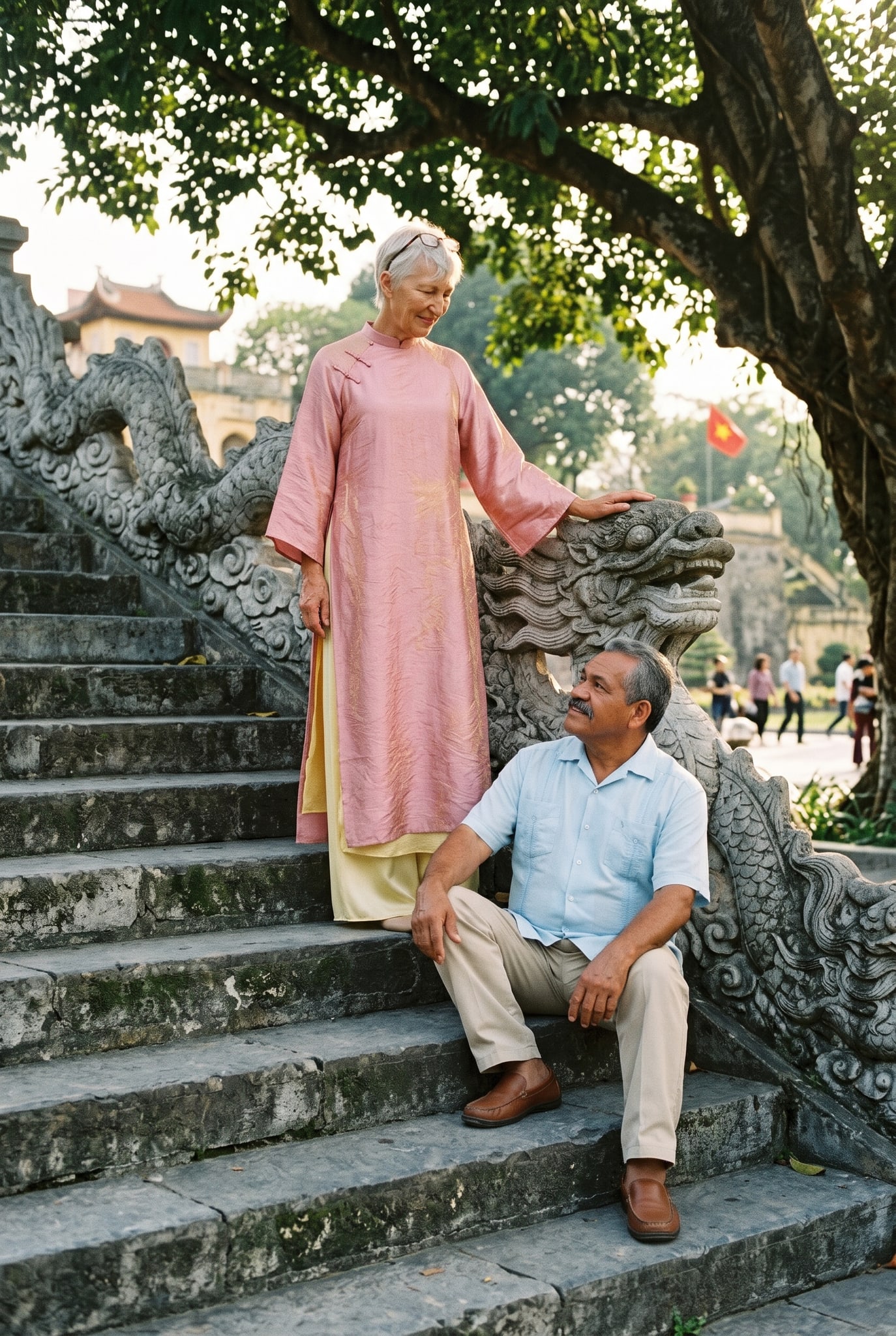
What Common Mistakes Do First-Time Visitors Make With Vietnamese Dress Code?
New arrivals often overpack heavy clothing, wear sleeveless tops at temples (disrespectful), choose all-black outfits for celebrations (seen as unlucky), or rent an ao dai from unvetted tailors (poor fit, cheap fabric, last-minute stress). Avoid nylon or polyester blends that trap heat and sweat. Never treat the ao dai as a costume: it's sacred ceremonial wear, not a novelty. Don't show disrespect by wearing an ao dai loosely, sitting in ways that crease it badly, or photographing it irreverently. Plan ahead: same-day rentals are possible but add stress. Book ao dai + photoshoot packages 2–3 days early for the best photographers, fitting, and peace of mind. Use the how-it-works guide to understand the rental process: deposit, fitting, delivery, and return.
📍 See rental by city
What to Check Before You Rent or Buy
Fitting and alterations – Confirm the tailor will measure and adjust inseam, hem, and tunic length. A poor fit ruins photos and comfort.
Fabric quality – Ask if the ao dai is silk-blend or 100% silk. Silk feels cool, drapes beautifully, and lasts longer.
Deposit and refund – Check the deposit amount, what it covers (damage, stains, late returns), and refund conditions. Ao Dai Diaries offers clear deposit terms.
Delivery and pickup – Verify hotel or local delivery is included, and what time you can pick up or return the ao dai.
Sizing range – Confirm the rental shop has your size (XS–XXL) before committing. Last-minute size compromises feel uncomfortable.
Color and accessories – Discuss matching shoes, hair flowers, and jewelry. A complete, coordinated look is the difference between good and stunning photos.
---
An Original Framework: The "Occasion-Weather-Budget" Decision Tree
Choose clothing using three factors:
- Occasion – Temple (modest, covered), daily (casual), formal (ao dai or suit), celebration (bright colors, ao dai).
- Weather – Hot and humid year-round; prioritize breathability. Rain in monsoon season (May–September); pack a lightweight rain jacket.
- Budget – Daily wear: see packages & prices Formal wear rental: see packages & prices Custom ao dai purchase: see packages & prices+.
Use this tree: Is it a formal or cultural event? → Yes: Rent an ao dai (faster, cheaper, hassle-free). No: Pack breathable casual clothes. Do you want authentic photos? → Yes: Rent and book a photographer together. No: Casual clothes work fine.
---
Practical Packing List for Vietnam
- 5–6 lightweight cotton or linen shirts (neutral colors: white, beige, gray).
- 2–3 pairs loose, breathable pants or wide-leg trousers.
- 1–2 lightweight dresses or skirts that reach the knee.
- 1 light cardigan or thin jacket (air conditioning is aggressive indoors).
- Closed shoes (sneakers, loafers) for temples and walking.
- Swimsuit and cover-up for beach or pool.
- Lightweight rain jacket or compact umbrella (monsoon season).
- Undergarments made of breathable cotton.
- Hat and sunscreen (sun exposure is intense).
Do not pack: sleeveless tops, hot pants, translucent fabrics, all-black outfits, heavy denim, or formal Western wear (rent or buy an ao dai instead).
---
Why Rent Instead of Buy an Ao Dai?
Buying a custom ao dai from a tailor takes 1–3 weeks and costs see packages & prices. Renting from Ao Dai Diaries takes 1–2 days, costs see packages & prices, and includes alterations, fabric choice, and often photoshoot packages. For a one-time visit or event, renting is logical. For multiple occasions, events, or if you're Vietnamese and celebrating Tet yearly, buying makes sense. Check the rental process guide to compare rental timelines and costs.
---
Frequently asked questions
Is it okay to wear shorts and a t-shirt to a Vietnamese temple?
No. Temples require covered shoulders, knees, and long pants or skirts. Wearing shorts or sleeveless tops is disrespectful to the sacred space and will often result in being denied entry.
What's the best fabric to wear in Vietnam's heat?
100% cotton or linen blends. They breathe, wick moisture, and age well in humidity. Avoid polyester, rayon, and synthetic blends; they cling and degrade quickly in tropical conditions.
How much does an ao dai rental cost compared to buying?
Rental: see packages & prices–see packages & prices for 1–2 days including fitting and delivery. Custom purchase: see packages & prices–300+ USD and 1–3 weeks. For a single event or photoshoot, renting is far cheaper and faster.
Can I wear an ao dai as casual clothing or just for special occasions?
Only for special occasions, formal events, weddings, Tet, graduations, and cultural photoshoots. Wearing an ao dai casually disrespects its traditional significance. It is sacred ceremonial wear.
What's the difference between traditional and modern ao dai styles when renting?
Traditional ao dai has a longer, looser silhouette emphasizing modesty; modern versions fit closer to the body for a contemporary look. Both are available at Ao Dai Diaries in sizes XS–XXL. Choose based on the occasion and your comfort.
Do I need to book an ao dai rental in advance, or can I rent same-day?
Same-day rentals are possible but stressful. Book 2–3 days ahead for fitting availability, fabric choice, and peace of mind. Use WhatsApp/Zalo +84 338 762 340 to check availability in Hanoi, Saigon, Hoi An, or Da Nang.
What color ao dai should I choose for a wedding versus a temple visit?
Weddings: red, gold, pink, or bright silk colors (festive and lucky). Temple visits: white, cream, or pastel (respectful and understated). Avoid all-black or all-white at celebrations; these are mourning colors in Vietnamese culture.
How long does a fitting and alteration take for a rental ao dai?
1–2 hours. The tailor measures, discusses style, and pins alterations. You pick up the finished ao dai within 24 hours, often on the morning of your event. Same-day rush fitting is available but costs slightly more.
Frequently asked questions
Is it okay to wear shorts and a t-shirt to a Vietnamese temple?
No. Temples require covered shoulders, knees, and long pants or skirts. Wearing shorts or sleeveless tops is disrespectful to the sacred space and will often result in being denied entry.
What's the best fabric to wear in Vietnam's heat?
100% cotton or linen blends. They breathe, wick moisture, and age well in humidity. Avoid polyester, rayon, and synthetic blends; they cling and degrade quickly in tropical conditions.
How much does an ao dai rental cost compared to buying?
Rental: see packages & prices–see packages & prices for 1–2 days including fitting and delivery. Custom purchase: see packages & prices–300+ USD and 1–3 weeks. For a single event or photoshoot, renting is far cheaper and faster.
Can I wear an ao dai as casual clothing or just for special occasions?
Only for special occasions, formal events, weddings, Tet, graduations, and cultural photoshoots. Wearing an ao dai casually disrespects its traditional significance. It is sacred ceremonial wear.
What's the difference between traditional and modern ao dai styles when renting?
Traditional ao dai has a longer, looser silhouette emphasizing modesty; modern versions fit closer to the body for a contemporary look. Both are available at Ao Dai Diaries in sizes XS–XXL. Choose based on the occasion and your comfort.
Do I need to book an ao dai rental in advance, or can I rent same-day?
Same-day rentals are possible but stressful. Book 2–3 days ahead for fitting availability, fabric choice, and peace of mind. Use WhatsApp/Zalo +84 338 762 340 to check availability in [Hanoi](/hanoi), [Saigon](/ho-chi-minh-city), [Hoi An](/hoi-an), or [Da Nang](/da-nang).
What color ao dai should I choose for a wedding versus a temple visit?
Weddings: red, gold, pink, or bright silk colors (festive and lucky). Temple visits: white, cream, or pastel (respectful and understated). Avoid all-black or all-white at celebrations; these are mourning colors in Vietnamese culture.
How long does a fitting and alteration take for a rental ao dai?
1–2 hours. The tailor measures, discusses style, and pins alterations. You pick up the finished ao dai within 24 hours, often on the morning of your event. Same-day rush fitting is available but costs slightly more.
Dozens of colours, all sizes XS–XXL, delivered to your hotel in Hanoi, Saigon, Hoi An or Da Nang. One WhatsApp or Zalo message.
More guides
You might also like
The ao dai is Vietnam's iconic silk dress, worn for celebrations and formal occasions. Ao Dai Diarie
May is Vietnam's hottest month before monsoon season. We'll help you choose the right outfit—whether
December weather in Vietnam is cool and dry—ideal for wearing the ao dai. Here's what suits the seas